
How to Choose the Right Plastic Injection Molding Partner for Your Medical Device
Would you trust a life-saving medical device to just any manufacturer? The stakes in medical device manufacturing are incredibly high – patient safety, strict regulatory compliance, and beating competitors to market all depend in part on choosing the right medical injection molding partner.
The manufacturer you choose will directly affect your product’s quality, your ability to meet regulatory requirements, and your overall launch timeline. This guide will walk you through how to find a reliable, experienced molding partner so you can bring safe, high-quality medical devices to market with confidence.
Key Takeaways
- Defining project requirements—including device class, production scale, material needs, and part complexity—helps match your needs with the right molding capabilities.
- Evaluating partner qualifications by checking medical device experience, ISO 13485 certification, cleanroom facilities, traceability systems, and compliance ensures regulatory readiness.
- Leveraging engineering and design support, such as DfM reviews, mold flow analysis, and prototyping, reduces redesign risks and accelerates development.
- Confirming cleanroom and secondary operations, supply chain stability, clear communication, and risk management practices secures consistent quality and patient safety.
Before You Begin: Define Your Project Requirements and Scope
Successful partnerships start with clarity about your needs. Before evaluating any molding vendors, take time to outline exact requirements for your medical device – from design specifics to production goals. Knowing these details upfront will make it easier to identify a partner with the right capabilities.
Key Aspects to Clarify When Choosing A Plastic Injection Molder
| Project Aspect | Questions to Clarify |
|---|---|
| Intended Use & Risk Level | What is the device’s classification (Class I, II, or III)? Does it contact blood or tissue (biocompatibility needs)? |
| Production Volume | Is this a one-time prototype run, low-volume batch, or full-scale high-volume production? |
| Part Complexity & Precision | Does the design involve micro features, ultra-thin walls, or extremely tight tolerances that require specialized molding techniques? |
| Material & Sterilization Needs | Does the part require a medical-grade, biocompatible resin (e.g., USP Class VI)? Must it withstand sterilization methods like EtO gas, gamma radiation, or autoclaving without degrading? |
Carefully defining these requirements will guide your search. For example, a complex Class II diagnostic cartridge with micro-channels and a USP Class VI plastic will drastically narrow the field to only those molders who can meet such exacting needs.
By contrast, a simple handle for a Class I device made from standard medical-grade polycarbonate will have broader options. The goal is to match your project’s scope and challenges with a partner equipped to handle them.
6 Key Factors to Consider When Choosing a Medical Plastic Injection Molding Partner
Selecting a medical injection molding partner isn’t just about who offers the lowest quote. It’s about finding a collaborator who can ensure quality, compliance, and reliability for the long haul. Below are five crucial factors that you should evaluate in any potential molding partner.
1. Proven Medical Industry Experience
When lives are on the line, experience matters. Always look for a molding partner with a strong track record in the medical device sector. A company that has built similar products will already understand the rigors of medical compliance and quality control.
For instance, molders experienced in healthcare know how to achieve “process validation” and meet the “stringent traceability requirements” for critical components. They are familiar with the documentation and consistency needed to pass audits.
An experienced medical device injection molder should be able to point to past projects: perhaps they’ve produced disposable diagnostic cartridges, surgical instrument parts, or precision drug-delivery components. This gives you confidence that they can handle your exact production requirements. Such partners also tend to have experts on staff (quality engineers, RJG-certified molders, etc.) who specialize in critical-use applications.
“In short, choose a partner who has done it before in the medical arena – their know-how will help you avoid pitfalls and meet stringent standards right from the start.”
2. Certifications and Quality Management Systems
Building medical devices demands a culture of quality and compliance. Verify that any prospective molder holds the key certifications and systems mentioned below, required for regulated manufacturing.
- ISO 13485:2016 Certification: It confirms that the manufacturer maintains a robust medical device quality management system with risk management, process controls, and full traceability built in. An ISO 13485-certified molder will have procedures for lot traceability, inspection, and process validation (IQ/OQ/PQ) to ensure every part meets specifications consistently.
- Cleanroom Production Capability: Consider partnering with an injection molder who operates certified ISO Class 7 or 8 cleanrooms (Class 10,000/100,000) for medical device molding and assembly.
- Traceability Systems and Documentation: A top-tier medical device molder should be able to trace every part back to its resin lot, machine settings, and molding run. They should willingly share their process validation approach and quality metrics. Strong quality systems are a sign of a molder who takes your product’s success (and patient safety) as seriously as you do.
- FDA Compliance Support: While FDA approval applies to the device itself rather than the facility, your molding partner should be prepared to support FDA-regulated devices with the necessary documentation, traceability, and quality processes. This includes familiarity with design history files, device master records, and audit procedures.
3. Engineering and Design Support
You should seek out companies that offer early-stage collaboration on design and prototyping. For example, a capable partner will provide Design for Manufacturability (DfM) reviews and mold flow analyses on your CAD models before going into production. This upfront engineering insight is priceless: it helps spot potential issues (thin wall fill problems, inadequate draft angles, etc.). It suggests optimizations so your part can be molded reliably without costly redesigns later.
Assigning a Dedicated Engineer
We encourage you to involve the molder’s engineers as early as possible. They can advise on material selection (e.g., recommending a more moldable biocompatible resin), optimal gating, and tooling design. They may also suggest some minor design tweaks that would improve yield. Such collaboration often shortens development time by reducing trial-and-error.
Prototyping and Iterative Testing
Some injection molders offer rapid tooling or 3D-printed mold trials to create functional prototypes in the intended material. This accelerates design verification and regulatory approvals since you can test with production-grade samples sooner. Once in production, the best molders use scientific molding techniques – data-driven process control with sensors and automation – to dial in and lock down a stable, reproducible process for your part.
“Choose a partner who brings strong engineering skills to the table. Their support in design optimization, material expertise, and rigorous process control will save you time and money while boosting quality.”
4. Cleanroom and Secondary Capabilities
For many medical devices, a controlled manufacturing environment and end-to-end capabilities are non-negotiable. Confirm that your medical injection molding partner can perform the work in-house under the necessary clean conditions and handle any post-molding steps your product requires.
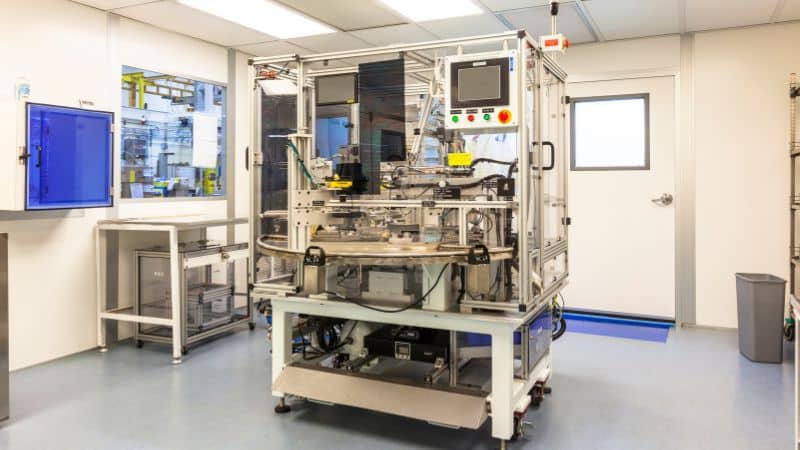
If your component is contamination-sensitive, ensure the molder has an on-site ISO-certified cleanroom for molding. At Precikam, we have Class 7 and 8 clean rooms that adhere to ISO 14644 to ensure that your plastic parts will stay sterile and uncontaminated during manufacturing.
Beyond molding, it’s a major advantage if the supplier offers secondary operations and post-molding assembly under the same roof. Medical devices often need additional steps like in-mold precision assembly, hot stamping or specialized packaging. A partner with integrated secondary capabilities can perform all these processes, while keeping your medical device in the same facility.
Here are some of the questions that you should ask while evaluating a potential medical device injection molding partner:
- Do you have ISO-certified clean room facilities for medical injection molding?
- What is your experience with precision injection molding for medical devices?
- Can you handle secondary processes like sterilization, assembly, and packaging?
- Are your secondary processes conducted in-house or outsourced to third parties?
- Can you share examples of recent medical device projects involving clean room molding and secondary operations?
If your potential partner provides clear, confident, and detailed responses to these questions, it indicates they are likely capable of meeting stringent medical industry standards. As in medical injection molding, we say;
“Fewer hand-offs mean fewer delays, tighter control, and better compliance!”
5. Supply Chain Stability and Communication
In medical device manufacturing, reliability, open communication, and on-time delivery are important. Even the most technically skilled plastic injection molding service provider is not a good choice if they can’t deliver on time or communicate effectively. That’s why you should assess a partner’s supply chain robustness and project management approach as closely as their technical credentials.
Examine the injection molder’s ability to source and manage medical-grade materials. They should source the required materials from approved suppliers. They must have established supplier relationships for critical resins and a system to track material lots.
A proactive, transparent communication from the molder is equally important. Partner with a medical device manufacturer that keeps you updated at every project stage and is quick to flag any issues. But how will you know that? Look for clues of a strong customer service culture. Do they respond promptly to questions? Are they willing to schedule design calls or on-site visits? Effective communication prevents misunderstandings and allows both sides to react quickly if adjustments are needed.
Always opt for a partner who is as committed to communication and reliability as you are. When they actively manage the supply chain and keep you informed, you’ll avoid unpleasant surprises and build a relationship founded on trust.
6. Risk Management Mindset
Finally, no factor is more critical than risk management. In medical injection molding, there is no room for error; lives depend on every part meeting its exact requirements. A trusted partner will have rigorous systems in place to minimize risk, from using only certified medical-grade resins to conducting thorough inspections and traceability at every stage of production. Ending your evaluation with this question is key: “Do I trust this partner to get it right, every single time?”
Conclusion
Selecting the right plastic injection molding partner for your medical device is not just a manufacturing decision; it’s a strategic investment in quality, compliance, and patient safety. A qualified partner brings proven experience, strong quality systems, engineering support, cleanroom capabilities, and dependable communication. They help you launch safe, high-performing medical devices with confidence and efficiency.
At PreciKam, we combine more than 60 years of expertise with ISO 13485-certified systems, cleanroom molding, and customer-specific quality assurance. Our team is dedicated to risk management at every stage, ensuring your medical device components are safe, precise, and reliable. Contact us to discuss your medical device plastic injection molding project and discover how we can support you, from design to production.

About Jack McDonald
Jack McDonald is the President of PreciKam, a leading North American precision plastic injection molding manufacturer based in Baie-d’Urfé, Quebec. With over three decades of industry experience, Jack is dedicated to producing quality precision molded plastic parts crucial to health and safety in the medical, automotive, and food sectors.


Follow Us